
Direct answer
The bonsai that extension horticulture sources support as indoor plants are warm-climate trees: ficus (usually Ficus microcarpa), the dwarf umbrella tree (Schefflera arboricola) and dwarf jade (Portulacaria afra). Ficus is the most forgiving first tree. Each needs a bright window — direct sun for jade, filtered light for the umbrella tree — a north window is rarely enough without a grow light, and a humidity tray helps in winter. Chinese elm and serissa are often sold as indoor; the sources treat them as outdoor shrubs and trees.
Key takeaways
- Ficus, umbrella tree and dwarf jade are documented as indoor plants by university extension services. Fukien tea is widely sold as indoor; Matthaei Botanical Gardens lists it among popular indoor bonsai but gives no care details, and we found no extension page on it.
- NC State says Ficus microcarpa 'Ginseng' is commonly mislabelled "Ficus retusa" — a name that belongs to a plant not used in bonsai — and calls the cultivar great for first-timers.
- Light decides more than species. A north window may never reach 400 foot-candles; Maryland Extension puts jade plant and succulents in the high and direct bands, 500 and up.
- Exact trained trees cost about $195–$225; honest first trees, $39–$99.
- A tray of gravel and water under the pot, with the pot above the water line, raises humidity. Iowa State finds misting raises it only for minutes.
01 — WHAT LIVES INSIDE
Tropical trees,
and two that aren't.
A bonsai is a tree in a small pot, and most trees need a winter outdoors. The trees that can stay inside all year are the ones that would never see frost where they grow wild. We checked each species commonly sold as "indoor bonsai" against university extension pages, and the answers divide cleanly.
Ficus microcarpa is hardy only in USDA zones 9a–11b, wants temperatures above 68°F all year, and is "generally sold as a houseplant"; NC State also notes its frequent use in bonsai.[1] NC State says the cultivar Ficus microcarpa 'Ginseng' is commonly mislabelled as Ficus retusa, a species not used in bonsai, and calls it — like other cultivars of the species — easier than other bonsai species and great for first-timers.[2] The dwarf umbrella tree can be grown indoors; NC State warns that as a houseplant, bright direct light burns its leaves.[3] Dwarf jade, or elephant bush, wants bright light — a south window is ideal — and University of Wisconsin–Madison Extension says it responds well to bonsai training.[4]
| Sold as | Species | Zones | Indoors, per the source | Our verdict |
|---|---|---|---|---|
| Ficus, "Ficus retusa", Ginseng | Ficus microcarpa | 9a–11b | "Generally sold as a houseplant"[1] | ◎ Indoor, the easiest |
| Hawaiian umbrella | Schefflera (Heptapleurum) arboricola | 9b–12b | "Can be grown indoors"; no direct sun[3] | ◎ Indoor, filtered light, no direct sun |
| Dwarf jade, baby jade | Portulacaria afra | 9–11 | Indoors over winter, south window[4] | ◎ Indoor, the brightest window |
| Jade | Crassula ovata | 11a–12b | "A popular, low maintenance houseplant"[5] | ○ Houseplant; the source says nothing of bonsai |
| Fukien tea | Ehretia microphylla | — | Listed as a popular indoor species[13]; no extension care page | ○ Indoor; care unsourced |
| Chinese elm | Ulmus parvifolia | 5b–10a | No indoor use listed[6] | × An outdoor tree |
| Serissa | Serissa japonica | 7a–11b | No indoor use listed[7] | × Outdoors, morning sun |
◎ recommend indoors / ○ works / △ conditional / × advise against indoors. Zones are USDA hardiness zones as given by each source.
Lives indoors
- Ficus microcarpa, including the "retusa" Ginseng
- Dwarf umbrella tree, out of direct sun
- Dwarf jade, in a south window
- Each one happier outside in summer
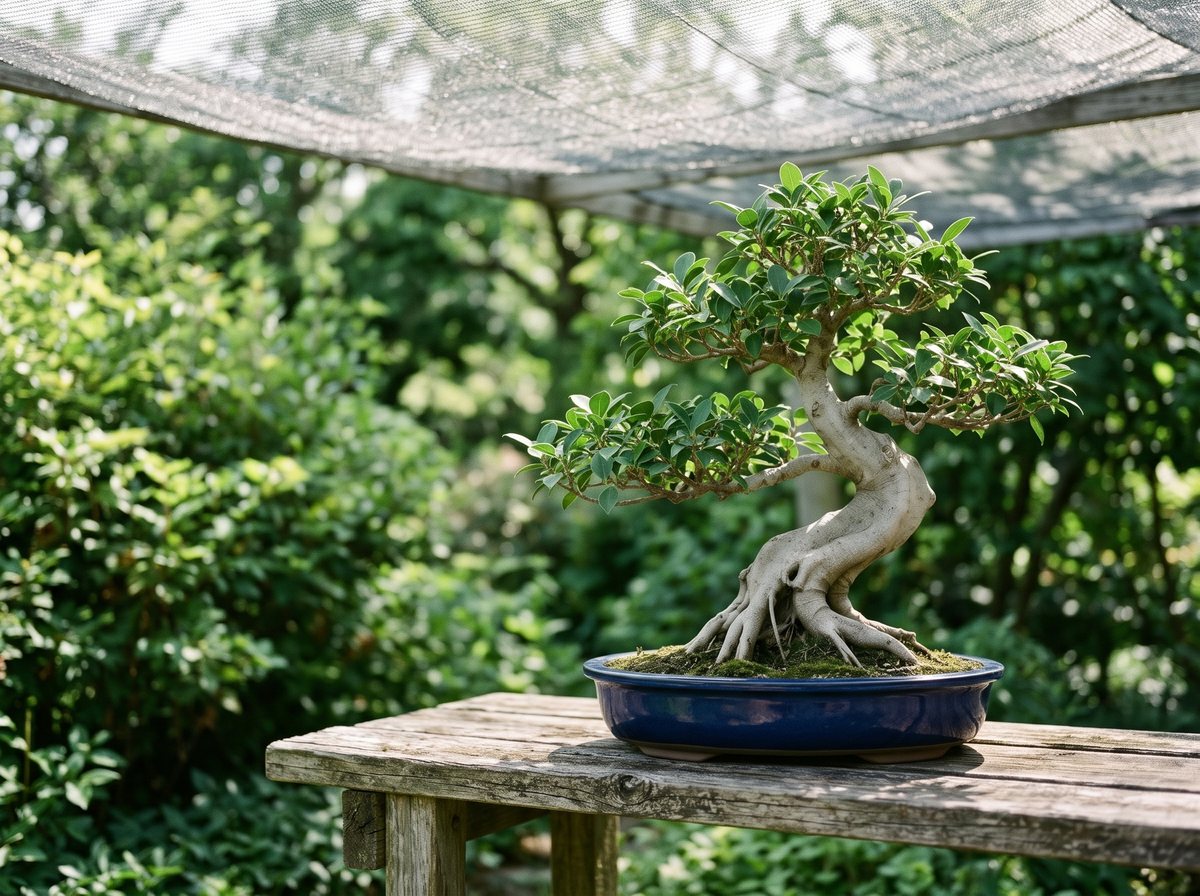
02 — THREE PATHS, REAL TREES
Three honest
paths.
Not a ranking — three relationships with an indoor tree. Each was live, priced and in stock on the day we checked. Exact means the seller says in words that you receive the tree pictured; representative means a tree like it.
Prices and stock checked November 12, 2026. Plain links — no affiliate.
I — The Exact Tree
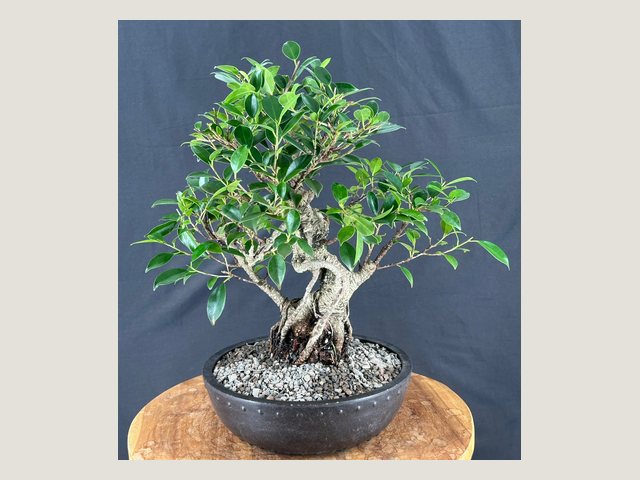
A nineteen-year ficus with roots that have fused.
Trained ficus retusa, 19 years (k1089) — Bonsai Boy of New York
This is what a ficus becomes with time: aerial roots that have wrapped and fused around a twisting, pale-flecked trunk, which is the reason to grow one. It is sold from Bonsai Boy's One of a Kind category, where the promise is that "you will receive the exact tree in the exact pot as pictured."[11] The canopy is open and leggy — work for your first summer — but the trunk is the purchase, and a trunk like this cannot be bought cheaper in time.
- Size
- 13 × 15 × 17" tall
- Age
- 19 years (seller)
- Pot
- 9" brown round drum
- Stock
- In stock — checked Nov 12, 2026
$195shipping separate
Tree page ↗II — A Tree With Character
A cork-bark jade for the south window.
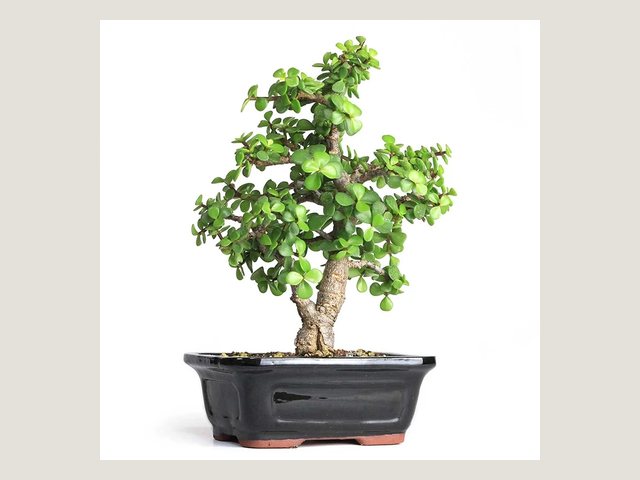
Cork bark jade, Portulacaria afra 'Frank' (807980-03) — Eastern Leaf
Dwarf jade is the indoor tree for the sunniest room, and the cork-bark form is the one UW–Madison singles out as prized for bonsai.[4] This one splits low into two trunks with fissured bark at the base; the small round leaves have not yet been shaped into pads, which is the pleasure of the next few years. Eastern Leaf sells it as representative — "shape may vary from shown" — so you choose the grade, not the plant.
- Size
- 10–14" tall, potted
- Age
- 3–5 years (seller)
- Pot
- 8" ceramic; pot may vary
- Stock
- In stock — checked Nov 12, 2026
$99free shipping on orders of $99+ (seller)
Tree page ↗III — First Practice
A small ficus, and the money saved goes to light.
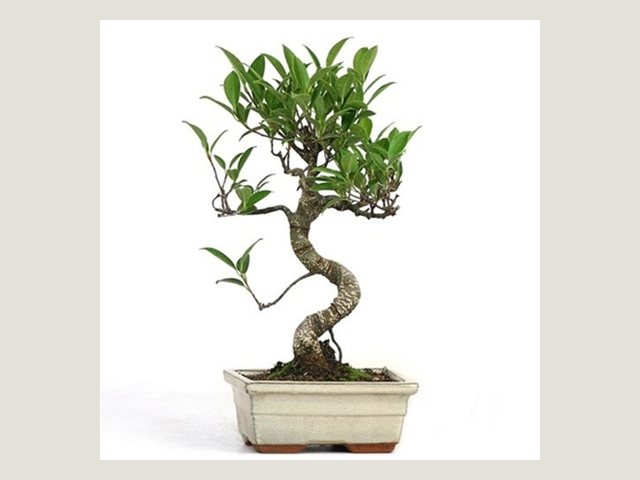
Miniature Golden Gate ficus (801620-03) — Eastern Leaf
The honest first indoor tree: a young ficus with an S-curved, mottled trunk in a cream glazed pot, sold as representative. The crown is thin — a few large leaves — and that is what pruning and a bright window are for. At $39, a grow light and a tray cost less together than the difference to path II.
No direct sun at home — a Hawaiian umbrella from $44, which wants filtered light.
- Size
- 7–10" tall, potted
- Age
- 3–5 years (seller)
- Pot
- 6" ceramic; pot may vary
- Stock
- In stock — checked Nov 12, 2026
$39sale price; list $45
Tree page ↗03 — THE INDOOR SHELF
Five more
real trees.
By species, each with what its source says about living inside. The exact trees come from the same One of a Kind category as path I.
UMBRELLA TREE — FILTERED LIGHT
The tree for a room
without south sun.
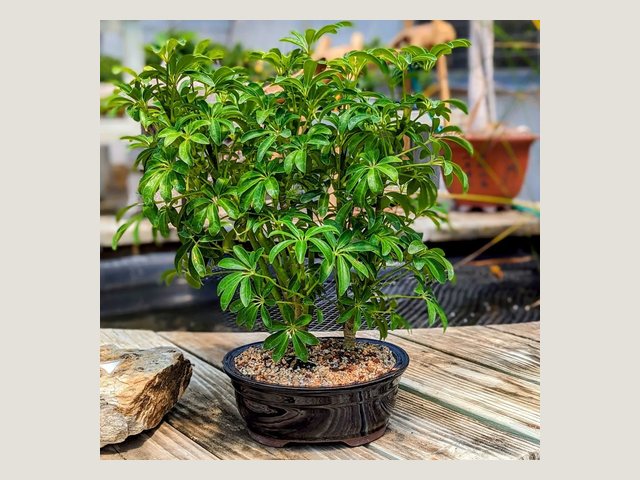
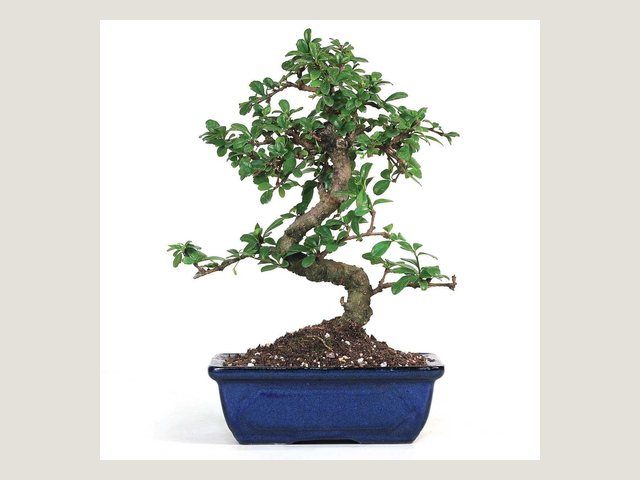
Filtered light from the south, east or west, and no direct sun through the glass. The trees sold as bonsai often show several stems and thin exposed roots, as in the Bonsai Boy tree here.
Zones 9b–12b · indoors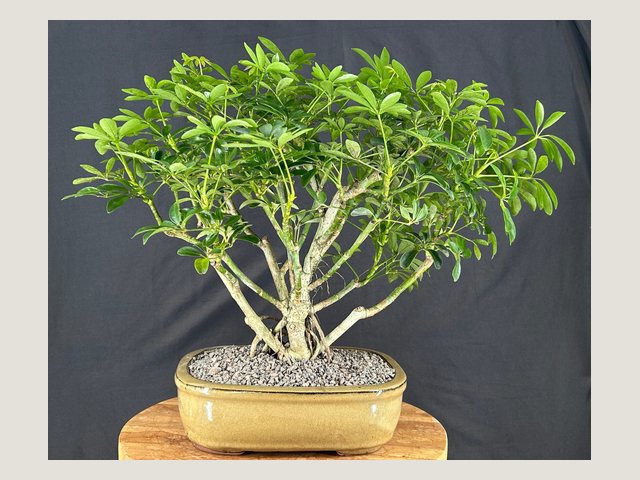
DWARF JADE — BRIGHTEST WINDOW
A succulent that
takes the scissors.
Bright light and very well-drained soil. Out for summer, back inside when nights fall below 40°F.[4]
Zones 9–11 · indoors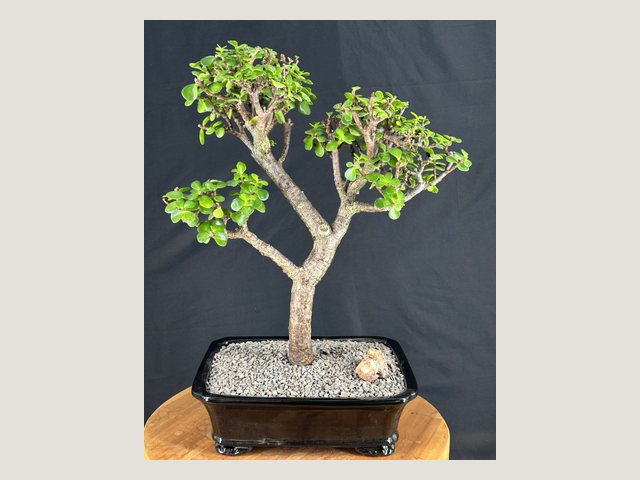
FUKIEN TEA — CARE UNSOURCED
Small white flowers,
no extension page.
Sold everywhere as an indoor tree, with tiny glossy leaves and white flowers. Matthaei Botanical Gardens lists it among popular indoor bonsai species,[13] but we found no extension page with care details, so we list it with that caveat rather than as a recommendation.
Zones not sourced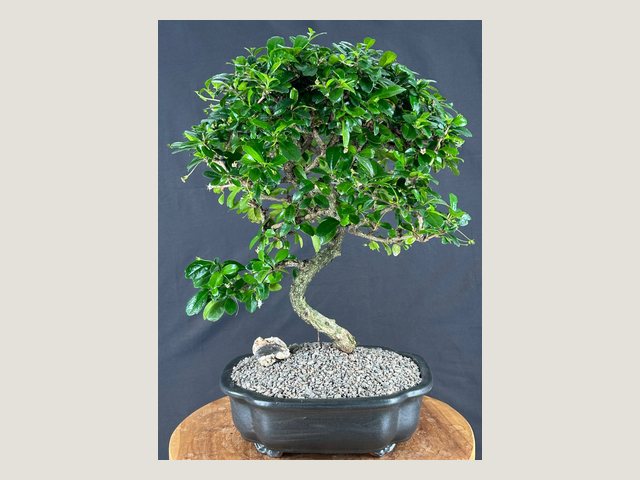
04 — LIGHT, MEASURED
A window is
a number.
Indoor light is measured in foot-candles, and the bands are the same in every extension source we read: low 25–100, medium 100–500, high 500–1,000, direct sun above 1,000.[8][9] Even in winter, noon light outdoors can pass 4,000 foot-candles. A north window may never reach 400, and an office lit only by fluorescent tubes often sits at 40 or less.[8] Direct sun comes through unshaded south or southwest windows.
| Band | Foot-candles | Typical place | Trees |
|---|---|---|---|
| Direct | 1,000+ | Unshaded south or southwest window | Dwarf jade; ficus |
| High | 500–1,000 | Close to an east or west window | Ficus; umbrella tree, filtered |
| Medium | 100–500 | North window; a few feet back from others | Umbrella tree, filtered; a grow light for ficus and jade |
| Low | 25–100 | Room interior, office | None of them without a grow light |
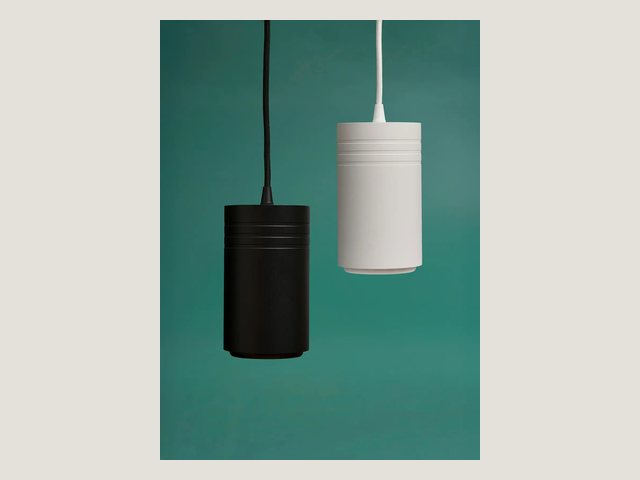
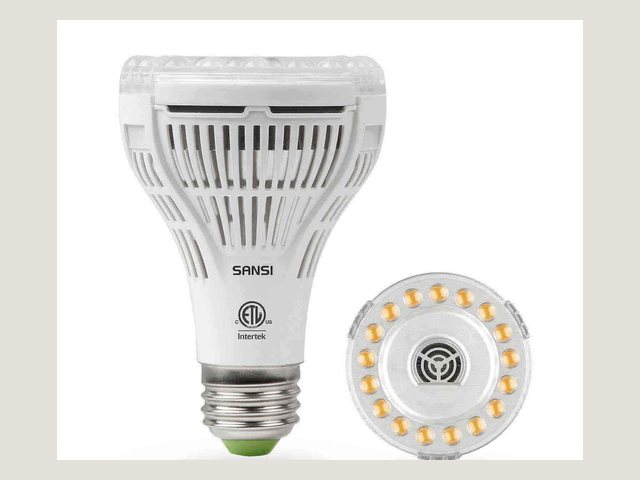
If your best window is north-facing, a grow light is not optional for ficus or jade. Light intensity falls quickly with distance, so the lamp belongs close; under lights, give no more than 16 hours a day.[9] The manufacturers state their own distances: Soltech puts its pendant 12–24 inches above full-sun plants, and SANSI says 30–50 cm for its bulb.
Move the tree to the light, then add light to the tree. Never the reverse.
05 — THE ENSEMBLE
Light, water,
and a board.
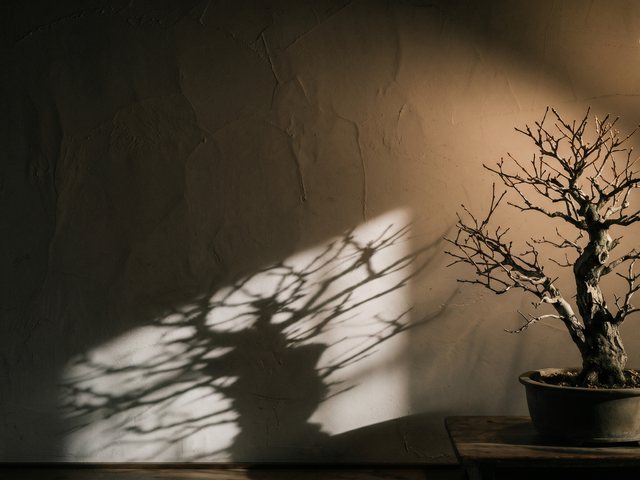
An indoor bonsai is a small display in a room. The window or a lamp above it, a tray of water beneath, a board under that. Japanese craft is beautiful — and because the beauty comes from the conventions, it can be built from what is near at hand.
1 — LIGHT
One lamp,
close above.
For a north room, or a winter that is short on sun. Hang it at the maker's stated distance and put it on a timer.
2 — HUMIDITY
A tray of gravel
and water.
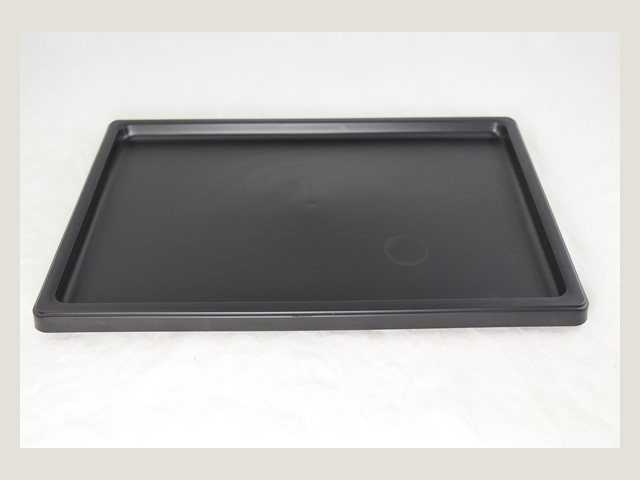
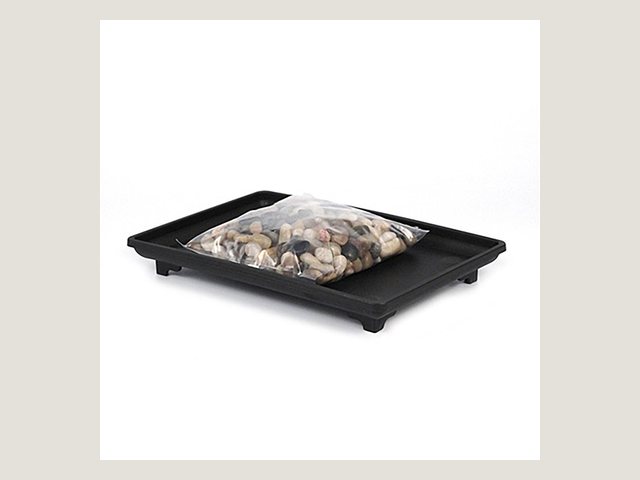
In winter many homes fall to 10–20% humidity; many houseplants prefer 40–50%. Fill a tray with gravel, add water, keep the pot above the water line.[10]
3 — EYELINE
A board under
the tray.
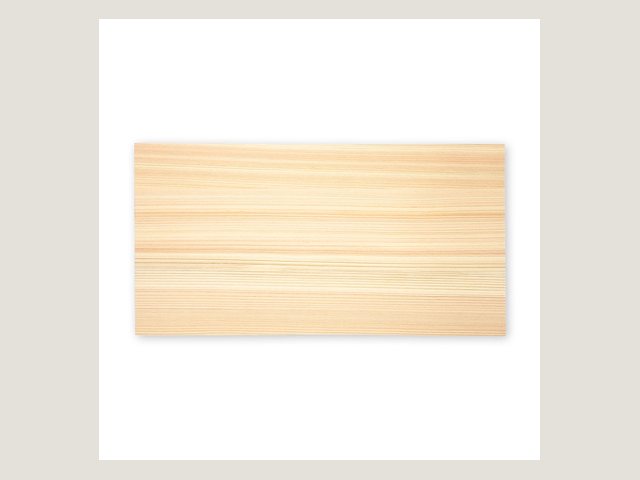
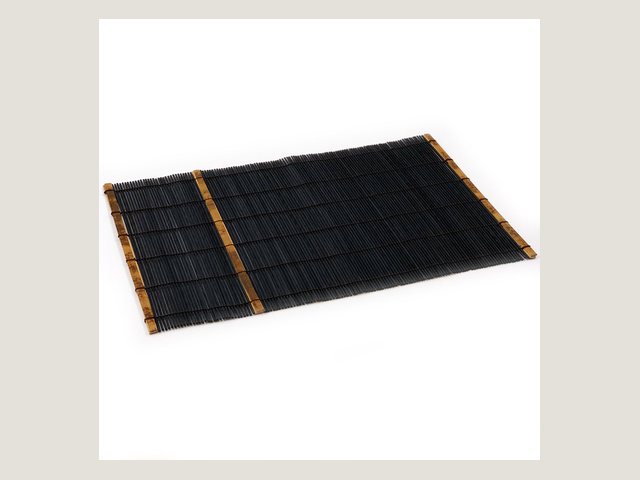
On a sill or a table, a board one size larger than the tray turns a houseplant into a tree on display — and keeps water off the wood beneath.
06 — BEFORE YOU HESITATE
The fears, answered
from the facts.
"It dropped leaves the week it arrived."
Weeping figs often drop leaves after sudden changes in light, temperature or watering, and a tropical bonsai moved to a new place commonly yellows or drops leaves; Matthaei calls this normal.[12][13] Give it the brightest place you have and leave it there; moving it again restarts the clock.
"My only window faces north."
Then the window is the medium band at best.[8] The umbrella tree wants filtered rather than direct light,[3] and Matthaei notes ficus tolerate lower light than many tropicals[13] — but add a grow light at the maker's stated distance, on a timer, under 16 hours a day.[9]
"I'll mist it every day."
Misting raises humidity for minutes, according to Iowa State; a gravel tray, grouping plants together or a humidifier does more.[10] And the tray is not a reservoir: the pot sits above the water, never in it.
07 — BEFORE YOU PAY
The five-point
check.
- The species on the label, checked against the table in section 01
- Your brightest window — its direction, and how far from the glass the tree will sit
- Exact tree or representative, stated in words on the page
- A pot with drainage holes, and a tray one size larger
- Arrival in warm weather, or a seller that ships tropical trees in winter
08 — QUESTIONS
Asked, answered.
What is the best indoor bonsai for a beginner?
A ficus. NC State calls the Ginseng ficus easier to care for than other bonsai species and great for first-timers,[2] and the species is sold as a houseplant because it wants warmth all year.[1]
Is a Chinese elm an indoor bonsai?
Not by its source. NC State lists it as hardy in zones 5b–10a with no indoor use;[6] it is an outdoor tree that some shops sell as indoor.
Is a "Ficus retusa" bonsai really Ficus retusa?
Almost never. NC State says the true Ficus retusa is a plant not used in bonsai, and that the Ginseng ficus — a cultivar of Ficus microcarpa — is commonly mislabelled as it.[2]
Do indoor bonsai need a grow light?
Not in a south or southwest window with direct sun. A north window may never reach 400 foot-candles,[8] so for ficus and jade a grow light is the safer plan — our reading.
Sources
- NC State Extension Plant Toolbox — Ficus microcarpa.
- NC State Extension Plant Toolbox — Ficus microcarpa 'Ginseng'.
- NC State Extension Plant Toolbox — Schefflera arboricola.
- University of Wisconsin–Madison Extension — Elephant bush, Portulacaria afra.
- NC State Extension Plant Toolbox — Crassula ovata.
- NC State Extension Plant Toolbox — Ulmus parvifolia.
- NC State Extension Plant Toolbox — Serissa japonica.
- UF/IFAS Gardening Solutions — Light for houseplants.
- University of Maryland Extension — Lighting for indoor plants.
- Iowa State University Extension — How can I raise relative humidity indoors for my houseplants?
- Bonsai Boy of New York — One of a Kind bonsai trees (exact-tree policy).
- Missouri Botanical Garden — Why is my weeping fig dropping leaves?
- Matthaei Botanical Gardens, University of Michigan — Horticulture at home: growing bonsai inside (2026).