
Direct answer
Buy a Japanese maple bonsai from a specialist nursery that ships live trees routinely, in spring or fall, and decide the development stage before you compare prices: roughly $10–60 buys a seedling or cutting you will train yourself, $75–150 buys a young pre-bonsai or starter tree, $150–500 buys a trained tree with real structure, and four figures buys specimen work. A maple is an outdoor tree — confirm your USDA zone (roughly 5–8) before any of it.
Key takeaways
- Maple listings only make sense by development stage. Comparing a $40 seedling against a $400 trained tree is comparing two different products, not two prices.
- Grafted and non-grafted matter more for maples than for most species: graft unions can leave a permanent scar at exactly the height a bonsai displays.
- A deciduous tree is routinely photographed in full color and delivered leafless. Know which season the photo shows and which season your box will arrive in.
- Spring and fall are the safe shipping windows; deep summer heat and hard-freeze weeks are when responsible sellers pause.
- Acer palmatum needs an outdoor life and winter dormancy in roughly USDA zones 5–8. No seller can change that with packaging.
01 — THE PRICE × STAGE MAP
Four products wear
one species name.
The phrase "Japanese maple bonsai for sale" covers four genuinely different products, and each is sold by a different kind of seller at a different kind of price. This map is the fastest way to read any listing you encounter.
| Stage | Typical price | What you receive | Typical seller | Years to display |
|---|---|---|---|---|
| Seedling / cutting | $10–60 | A young plant in a nursery pot; material, not a bonsai | Maple propagation nurseries, marketplace sellers | 5–10+ |
| Pre-bonsai / starter | $75–150 | Field- or pot-grown stock with a developing trunk, minimal styling | Specialist bonsai nurseries | 3–7 |
| Trained tree | $150–500 | A styled bonsai with branch structure, usually in a bonsai pot | Specialist bonsai nurseries | Displayable now; refines forever |
| Specimen | $500–$1,500+ | An individually photographed, often decades-old exact tree | Specialist dealers, collector sales | Displayable now |
Compiled by the JAPAN BONSAI EDIT editorial team from published US retail listings (checked November 11, 2026); ranges are typical asking prices, not guarantees.[1][2] An individual listing can sit outside its band for good reasons — age, cultivar, pot — or bad ones.
The honest question before comparing anything is which stage you are actually shopping for. If you want a tree on the bench this year, the seedling tier is a different hobby — propagation and training — sold at a price that makes it tempting to confuse the two.
A cheap maple is not a discount
on an expensive one.
It is a different purchase.
02 — GRAFTED OR NOT
Look low on
the trunk.
For landscape sale, named Japanese maple cultivars are usually propagated by grafting a cutting of the cultivar onto seedling rootstock. For bonsai, that production shortcut has a visible cost: the graft union often thickens into a bulge or scar in the first few inches of trunk — exactly the part of the tree a bonsai pot presents at eye level.
This is why serious bonsai growers prize non-grafted (seed-grown or cutting-grown) maples, and why a listing that names the tree as seed- or cutting-grown is telling you something worth paying for. The practical reading rules:
Worth paying for
- "Non-grafted," "seed-grown," or "own roots" stated in the listing
- A photo of the lower trunk and root flare, not only the canopy
- A low, clean graft on dwarf cultivars where grafting is standard
- Trunk diameter stated in numbers
Read as a warning
- Canopy-only photos on a cultivar listing
- A visible knuckle or mismatch in bark a few inches up
- "Bonsai" in the title on ordinary landscape nursery stock
- No species or cultivar name at all
A graft is not automatically disqualifying — some respected dwarf cultivars are almost always grafted, and maple growers themselves advertise low, clean grafts on their bonsai stock.[2] It is simply information the price should reflect and the photo should show.
03 — EXACT VS REPRESENTATIVE
Which maple is in
the photograph?
The maple market uses both selling conventions, and they concentrate at opposite ends of the price map. Specimen and older trained trees are typically sold as the exact tree pictured — Bonsai Boy's One of a Kind pages promise "the exact tree in the exact pot", and Eastern Leaf's curated listings say the tree pictured is the tree that ships.[7] Seedlings, starters and lower-priced trained trees are typically representative: you receive the same grade as the photo, not the same plant.
With maples this distinction has a seasonal twist: the photograph is usually taken at the tree's loudest moment — scarlet autumn color or fresh spring red — while the tree that arrives may be green, or leafless. That is not deception; it is deciduous biology plus marketing. But it means an exact-tree listing photographed in autumn still will not look like its photo in July. Our general guide to buying bonsai online in the USA covers the full exact-vs-representative logic; the maple-specific rule is simpler:
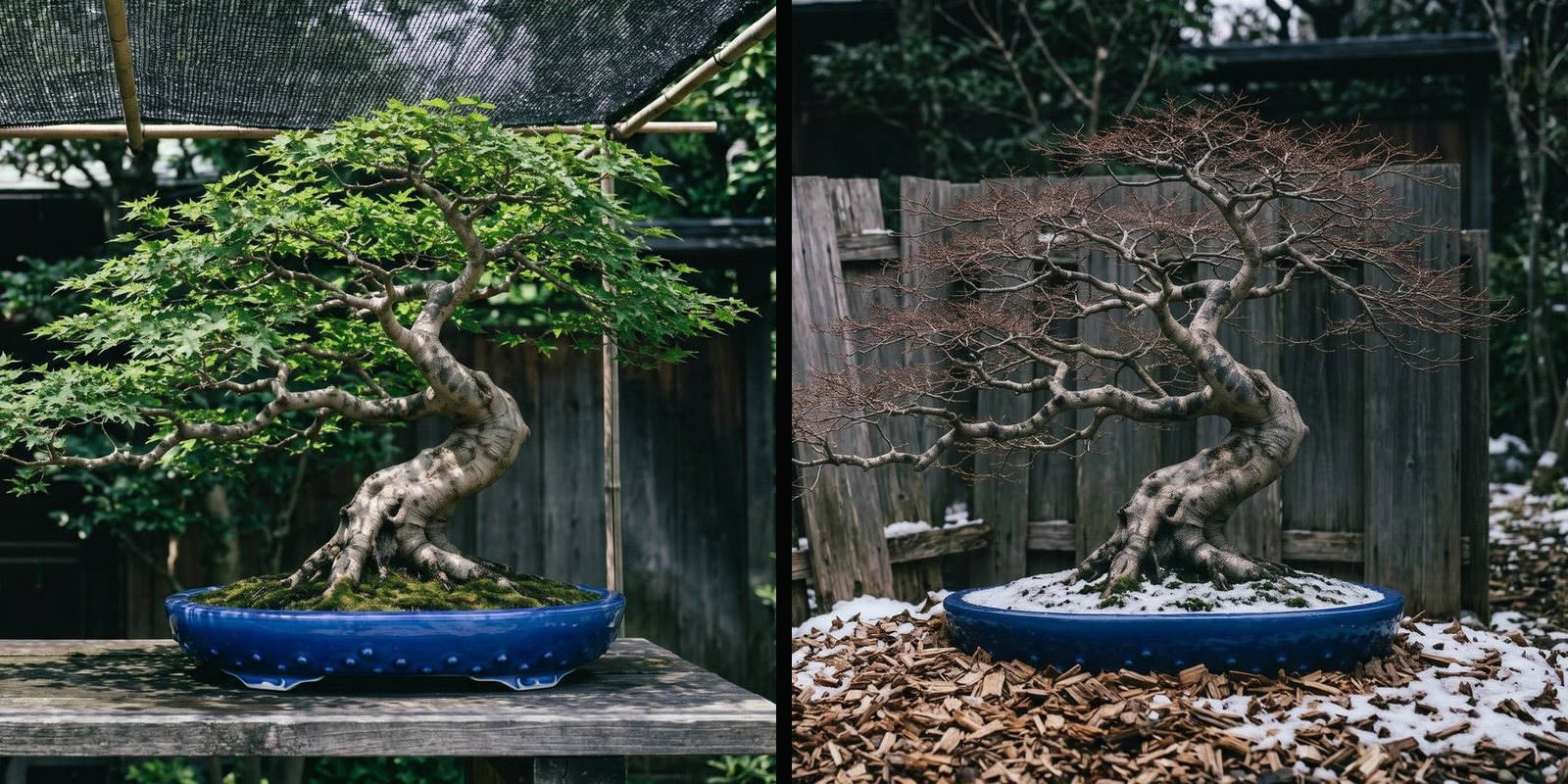
Buy structure, not color. Color is a season; the trunk line and branching are the purchase.
04 — WHEN TO SHIP
Time the box
to the tree.
A Japanese maple ships best in the shoulder seasons. In deep summer, a dark box in a hot trailer can cook foliage; extension guidance notes how readily maple leaves scorch under heat and water stress even in the ground.[4] In deep winter, a dormant maple is actually robust cargo — but freezing transit can damage roots in a small bonsai pot, and some sellers pause or warn accordingly.
Practical calendar for US buyers:
Shipping windows, best to worst
- Early–mid spring (before or just after leaf-out): best — the tree establishes in your conditions over a full season
- Fall after color drops: very good — dormant, stable, and often the best selection after growers' sales
- Late spring–early summer: fine in mild weather; watch the forecast along the route
- July–August heat waves and hard-freeze weeks: wait, or choose a seller who holds shipment — a seller who warns you is a good sign, not a friction
One more seasonal honesty: a maple bought in late fall arrives leafless and stays leafless until spring. It is not dead; it is deciduous. Sellers themselves note autumn/winter orders may arrive without foliage and releaf in early spring.[1]
05 — THREE PATHS, REAL MAPLES
Three honest
paths.
Not a ranking — three relationships with the same species. Each maple below was live, priced and in stock on the day we checked, and the listing or the seller's category page says in words whether the photograph is the tree you receive.
Prices, sizes and stock checked November 12, 2026. Plain links — no affiliate.
I — Japanese Masterpiece
A Japanese dwarf cultivar, already refined.
Artist Curated 'Koto Maru' Japanese maple (294877) — Eastern Leaf
'Koto Maru' is a Japanese dwarf cultivar with small leaves, and this tree carries a dense, broom-like crown on a single straight trunk — refinement that takes a maple years to build. Eastern Leaf sells it as the actual tree that will ship, in a black rectangle. It is the reference for what a finished deciduous silhouette looks like at 22 inches.
Older, at half the price — a 31-year 'Mikawa Yatsubusa', $395, sold as the exact tree.
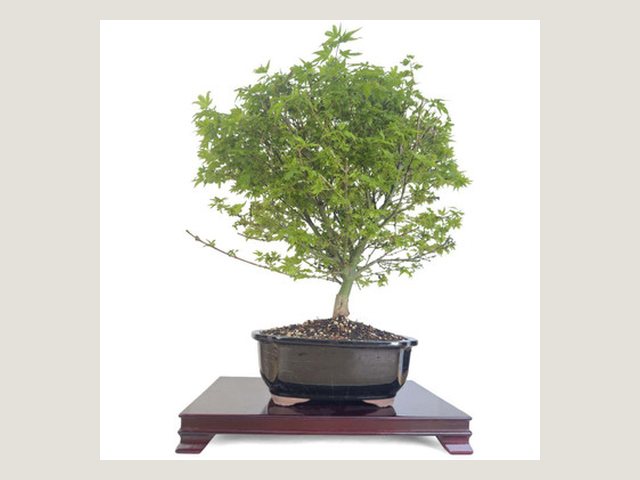
- Size
- 22" tall, 18" wide
- Age
- 9–11 years (seller)
- Promise
- "The picture shown above is the actual tree that will ship"
- Stock
- In stock — checked Nov 12, 2026
$789free shipping over $99 (seller)
Tree page ↗II — Local Artisan Choice
A Shindeshojo chosen by a resident artist.
Artist Curated 'Shindeshojo' Japanese maple (362295) — Eastern Leaf
Eastern Leaf's resident artist, Jason Chan, selects its curated trees, and this one is a slender upright with radial surface roots. 'Shindeshojo' is grown for its red spring leaves. It is young — the listing gives five to eight years — and honest about it: a tree to develop, selected by an American bonsai artist and shipped as the exact tree.
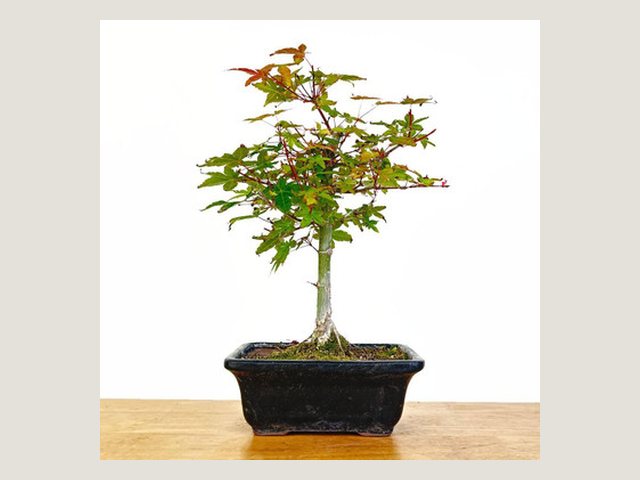
- Size
- 15" tall, 8" wide
- Age
- 5–8 years (the listing gives both 6–8 and 5–7)
- Pot
- 8" black rectangle
- Stock
- In stock — checked Nov 12, 2026
$369free shipping over $99 (seller)
Tree page ↗III — First Practice
A nine-year red maple to learn the seasons on.
Japanese red maple, small (e2290) — Bonsai Boy of New York
A first maple should be forgiving about size and honest about its promise. This one is nine years old and 12–14 inches tall. It sits outside Bonsai Boy's exact-tree pages and its height is given as a range, so buy it as representative — you receive one like it. It may ship leafless in autumn and winter, which is the season, not a fault. Put the money saved into a summer shade plan and a good first pot next spring.
A green maple instead — 16–20", $79, which the seller rates for intermediate growers.
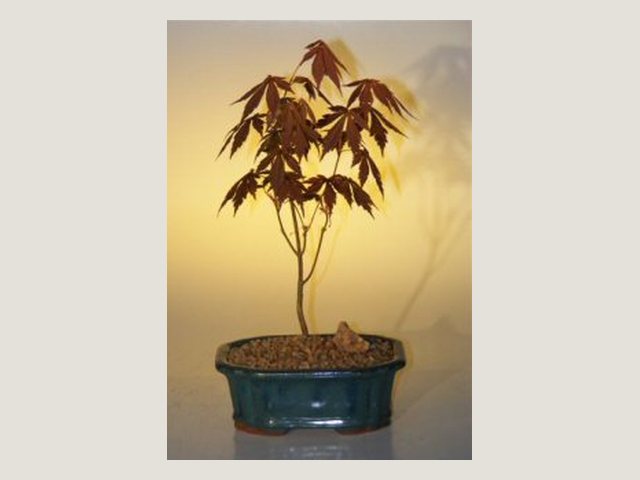
- Size
- 12–14" tall
- Age
- 9 years (seller)
- Pot
- Not specified; drip tray +$6.95
- Stock
- In stock — checked Nov 12, 2026
$65.95shipping separate
Tree page ↗Marketplace listings run from seed packets upward and are raw material from strangers: fine for a seedling if you can read a listing, wrong for anything you cannot afford to lose.[3]
Before you pay — the maple seven
- Which stage is this: seedling, starter, trained, or specimen?
- Exact tree or representative — which promise does the listing make?
- Grafted or non-grafted, and does a photo show the lower trunk?
- What season was the photo taken, and what will arrive now?
- Does your USDA zone fit (roughly 5–8), with outdoor space to match?[5]
- Does the seller ship to your state in this season, per their own policy?
- Live-arrival guarantee and claim window, in writing?
06 — MORE MAPLES
Three more,
by stage.
TRAINED AND OLDER
Structure you
can see now.
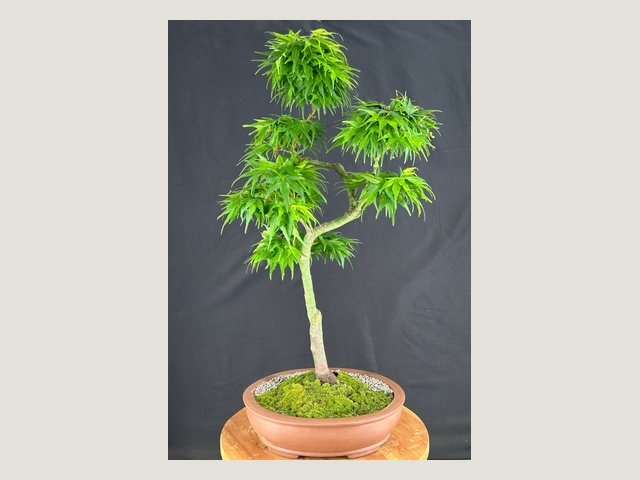
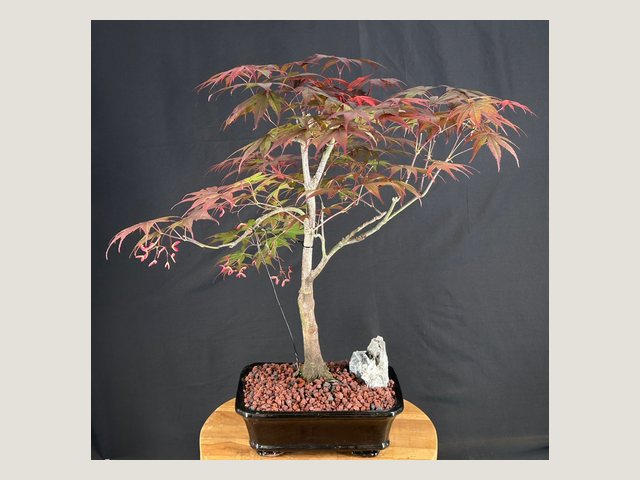
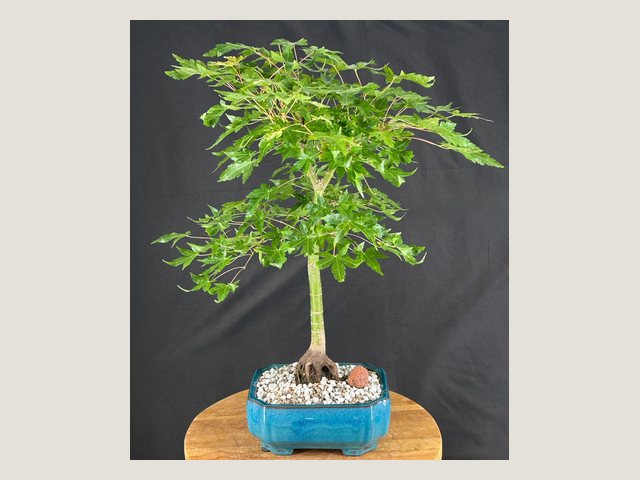
Each of these is listed on Bonsai Boy's One of a Kind pages, where the promise is the exact tree in the exact pot.
07 — FINISH THE DISPLAY
A maple is half
a display.
The tree arrives in a box; a display is something you make. Lift it off the shelf, give it a plain margin and one light. Japanese craft is beautiful — and because the beauty comes from the conventions, it can be built from what is near at hand. The full maple display, with every piece, is in our maple pot note.
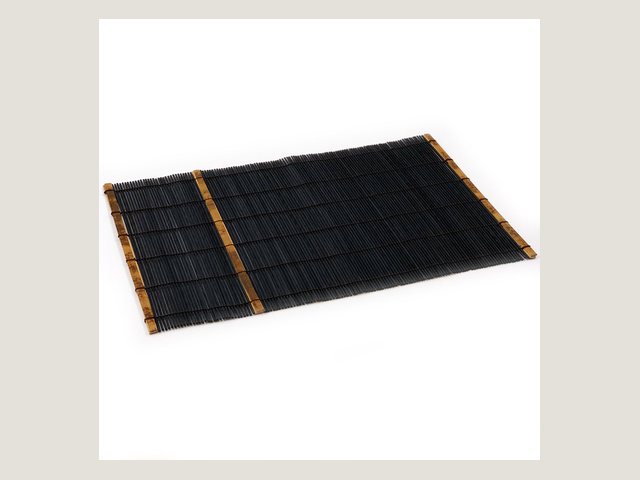
1 — EYELINE
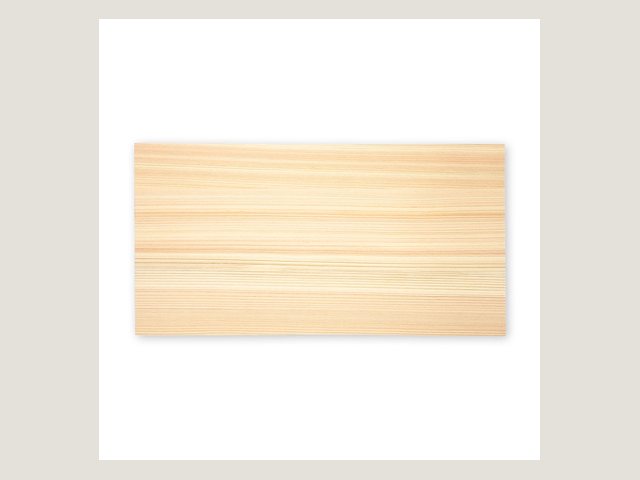
A board under
the pot.
A board or mat a size larger than the pot turns a maple on a shelf into a tree on display.
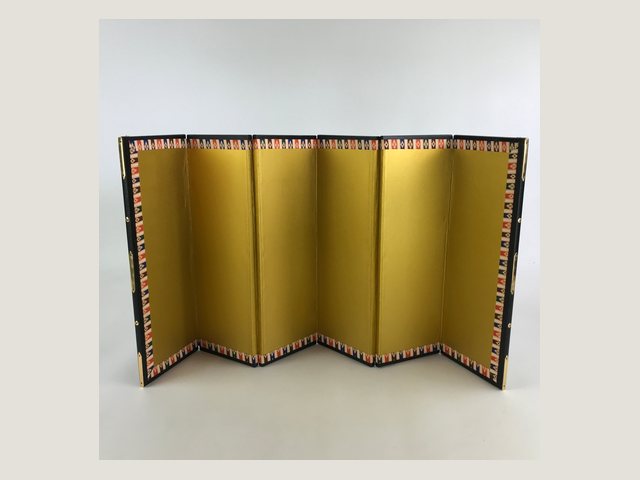
2 — MARGIN
A plain wall
behind the red.
Autumn color needs nothing behind it. Gold earns its place in a dim room.
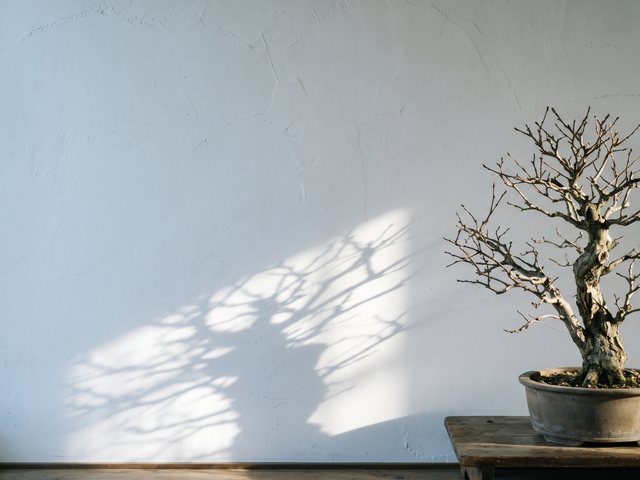
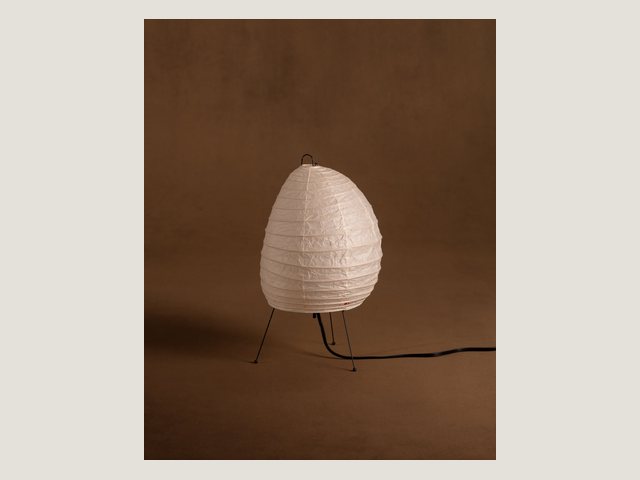
3 — SHADOW
One light
for the branches.
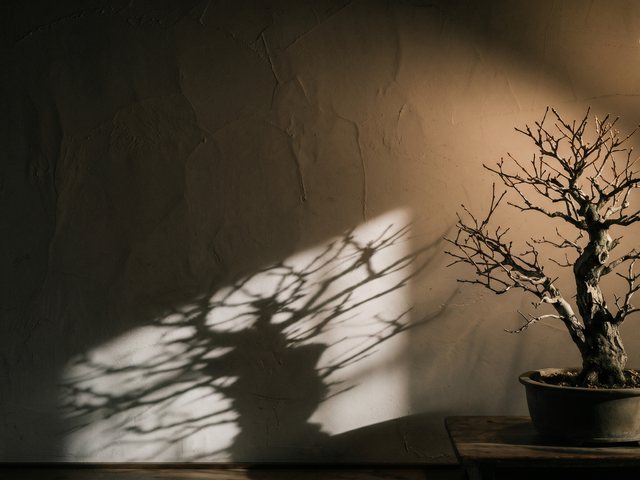
In winter the bare structure is the display; one lamp from above carves it.
08 — BEFORE YOU HESITATE
The fears, answered
from the facts.
"It will arrive dead and I'll have no recourse."
Established specialists ship live maples routinely and publish live-arrival terms; the risk concentrates in sellers without a written policy. Buy where the guarantee and claim window are stated before checkout, photograph the unboxing, and transit stress (dull or dropped leaves) usually passes within weeks — see the recovery notes in our US buying guide.
"I can't tell if the price is fair."
Price the stage, not the species. Find the listing's row on the price × stage map above; inside a band, age, trunk, cultivar and pot justify the spread. A price far below its band is the thing to question, not celebrate.
"I'll kill it in the first month."
The first month asks very little: outdoor placement, water when the surface starts to dry, no repotting, no styling. The killers are indoor placement and neglect of water — both avoidable by decision, not skill. Our companion note on Japanese maple care gives the season-by-season calendar.
09 — QUESTIONS
Asked, answered.
Can a Japanese maple bonsai live indoors?
No. Acer palmatum is a temperate outdoor tree that requires winter dormancy; university guidance places it in roughly USDA zones 5–8.[4][6] If you need an indoor tree, choose a tropical species such as ficus instead — that is a different purchase, honestly made.
Is a 'Bloodgood' or other landscape maple fine for bonsai?
As training material, sometimes — but landscape cultivars are usually grafted and selected for garden vigor, not small leaves or fine twigging. Stock grown for bonsai is selected for small leaves and fine branching, which is the difference you pay for.
Why are some maples sold out until next year?
Deciduous nursery stock is produced in yearly cycles, and small specialists release cultivars in limited batches; when a batch sells out, the next typically arrives with the following season's crop. Scarcity in this market is usually production reality, not marketing theater — and it is why fall and early spring are the best browsing seasons.
What size should a first maple be?
Starter-to-trained, roughly 8–16 inches: large enough to be forgiving about water, small enough to move for winter protection. Pot sizing for it is its own decision — see best pots for Japanese maple bonsai.
Sources
- Bonsai Boy of New York — Japanese Red Maple, 20 years, $109.95 (ships leafless in autumn/winter, releafs in spring); range via the outdoor deciduous category.
- Mendocino Maples Nursery — Maples for bonsai (bonsai-selected stock incl. seedling starts; low, clean grafts advertised) and care guide.
- eBay — Japanese maple bonsai category (seeds and plants from many sellers; prices vary).
- University of Florida IFAS Extension — Acer palmatum: Japanese Maple (zones, leaf scorch under heat/water stress).
- USDA Agricultural Research Service — USDA Plant Hardiness Zone Map.
- Utah State University Extension Tree Browser — Maple, Japanese (hardiness zones 5–8).
- Bonsai Boy of New York — One of a Kind ("the exact tree in the exact pot as pictured"); Eastern Leaf — Artist Curated listing ("The picture shown above is the actual tree that will ship").